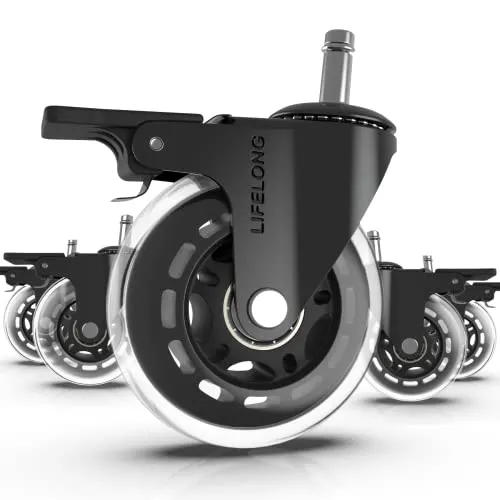
Casters (wheels)
The five wheels at the bottom of the base. They clog with hair and dust, seize up, crack, or wear flat and start marking the floor. The most replaced part on any chair. We fit hard-floor or carpet wheels to suit the room.

An office chair is about twenty parts bolted together, and nearly all of them can be replaced on their own, where the chair stands, for a fraction of a new one. Find the part below, or send a photo and we will name it for you.
Door-to-door service across Rawalpindi and Islamabad
Also in Karachi, from DHA Phase 2
Everything that touches the floor. These take the most abuse and are the cheapest to put right.
The five wheels at the bottom of the base. They clog with hair and dust, seize up, crack, or wear flat and start marking the floor. The most replaced part on any chair. We fit hard-floor or carpet wheels to suit the room.
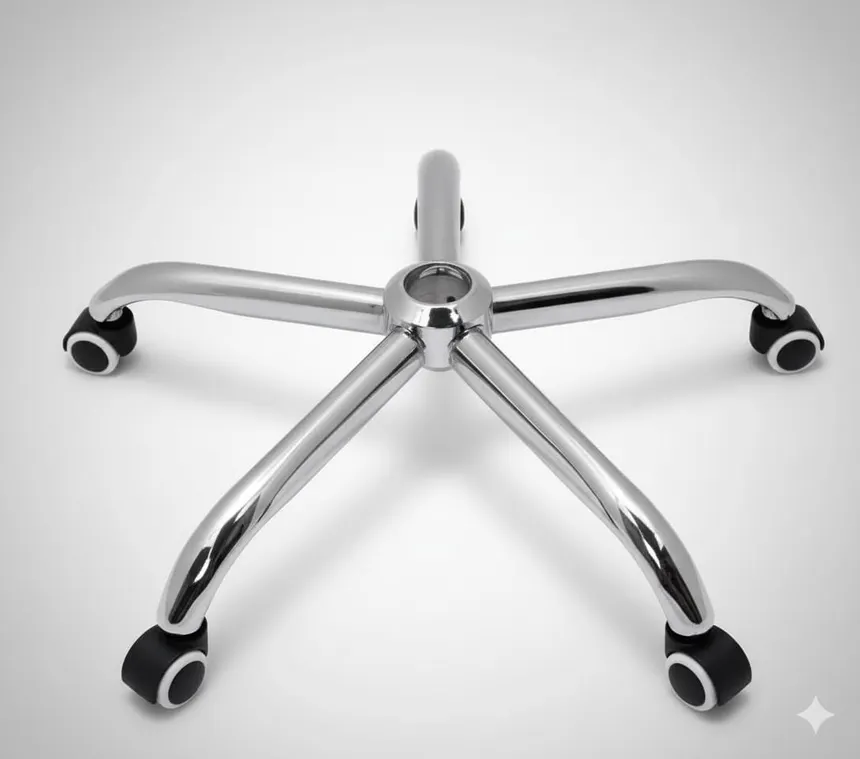
The five-pointed star that holds the casters and carries the whole chair. Plastic ones crack along a leg; metal ones bend or lose a socket. Swapped for a new nylon or steel base of the same size, so the cylinder drops straight in.
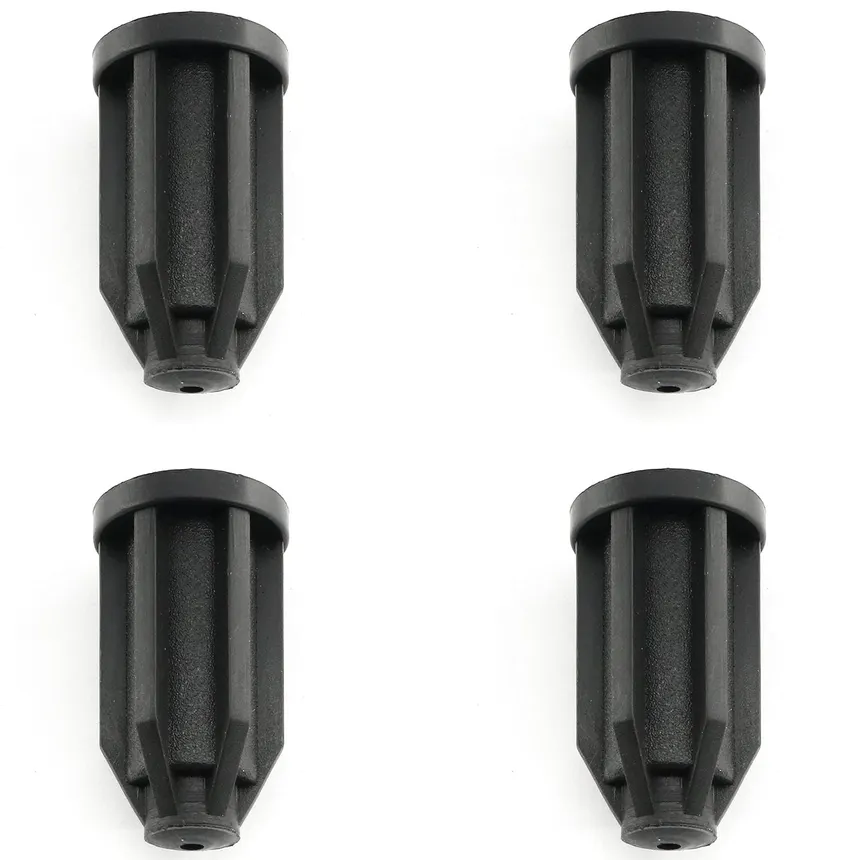
Small plastic rings pressed into each leg of the base that grip the wheel stem. When they wear, wheels wobble or fall out. Replaced on their own, so a sound base does not have to go.
The metal under the seat that makes the chair move, and lets it stop moving. When a chair sinks, rocks or leans, it is one of these.
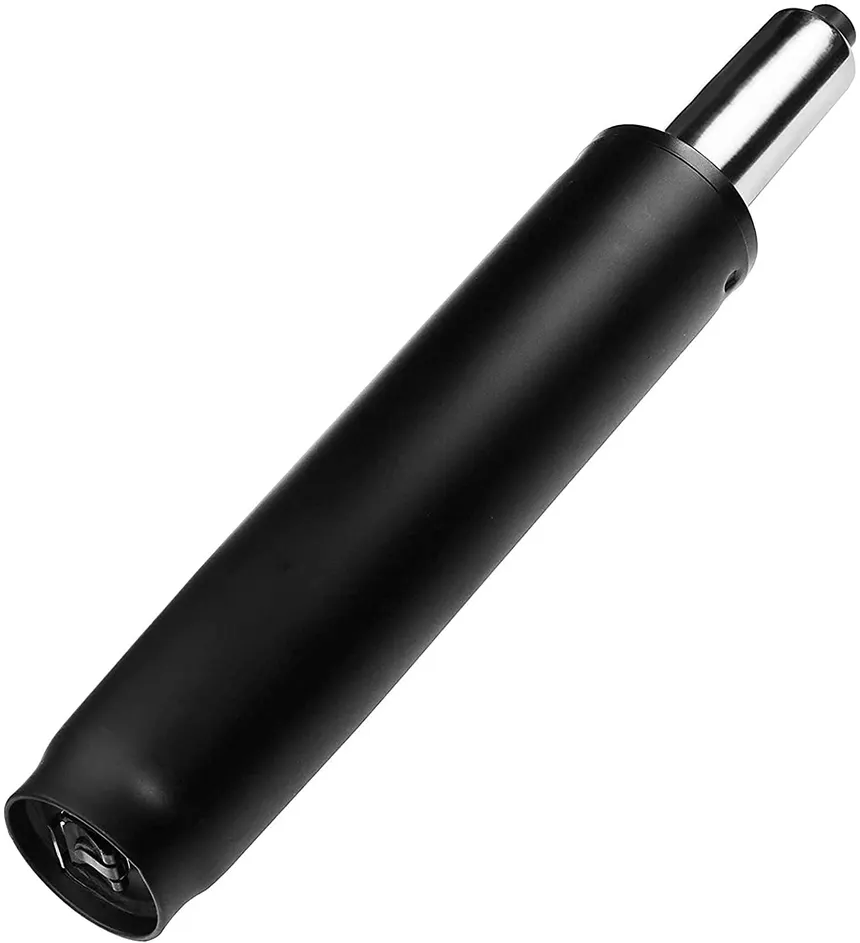
The central tube that raises and lowers the seat. When the seal goes, the chair sinks slowly under you or will not hold height at all. Replaced on site with a cylinder of the same class and length, then the chair is back to full travel.
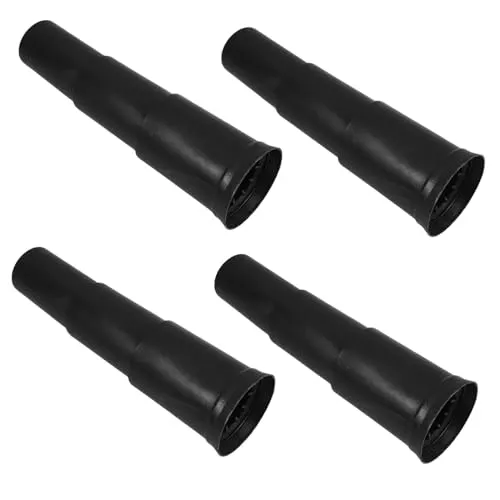
The stepped plastic sleeve that slides over the cylinder and keeps dust off the piston. It cracks or goes missing, and the lift wears out faster without it. A small part worth having back.
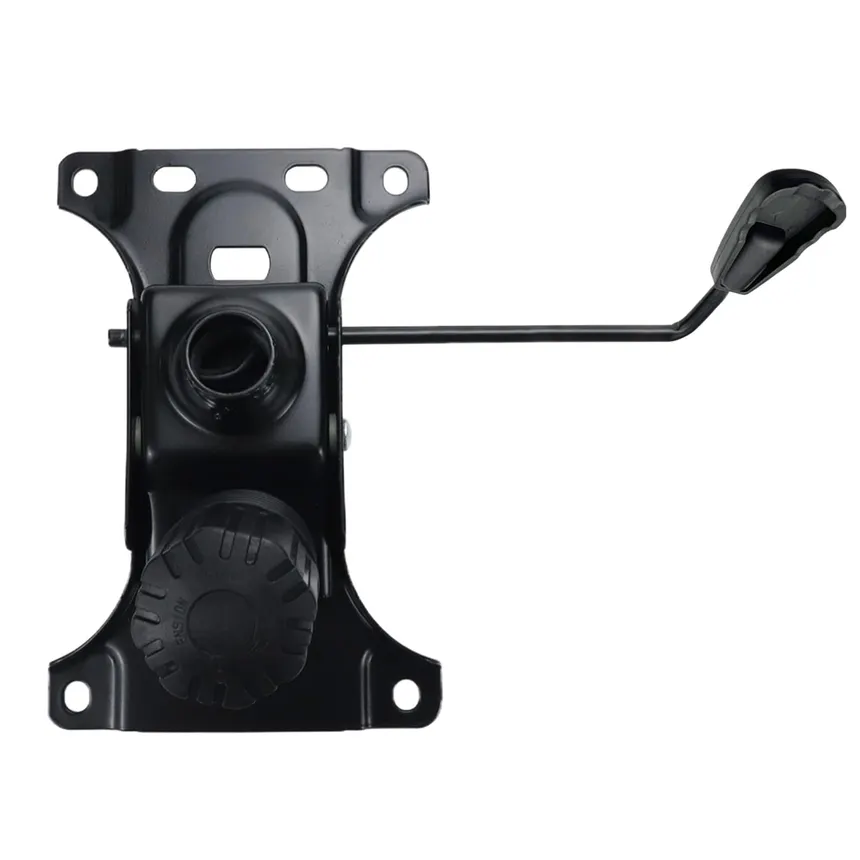
The heavy steel bracket bolted under the seat. It joins the seat to the cylinder and houses the levers and springs. When it fails, the seat rocks, tips to one side or will not lock. Replaced as a complete unit, matched to the bolt pattern.
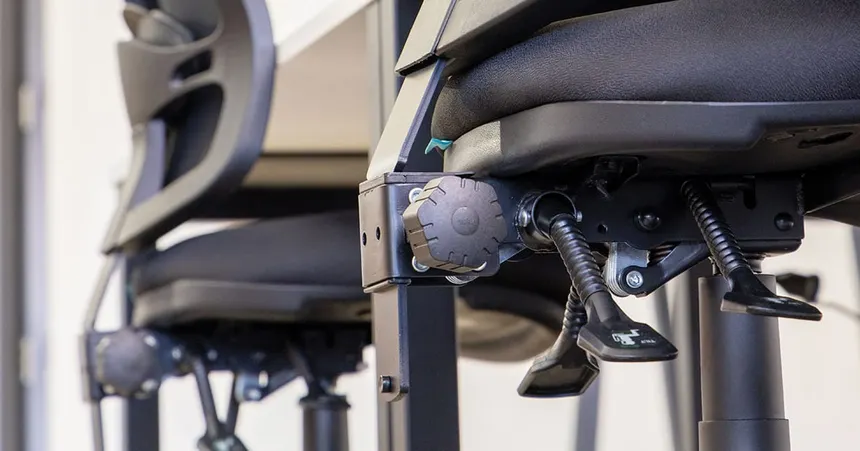
The handles on the mechanism that set height and lock the tilt. They snap off, bend, or pull without doing anything. Refitted or replaced to suit the mechanism they belong to.
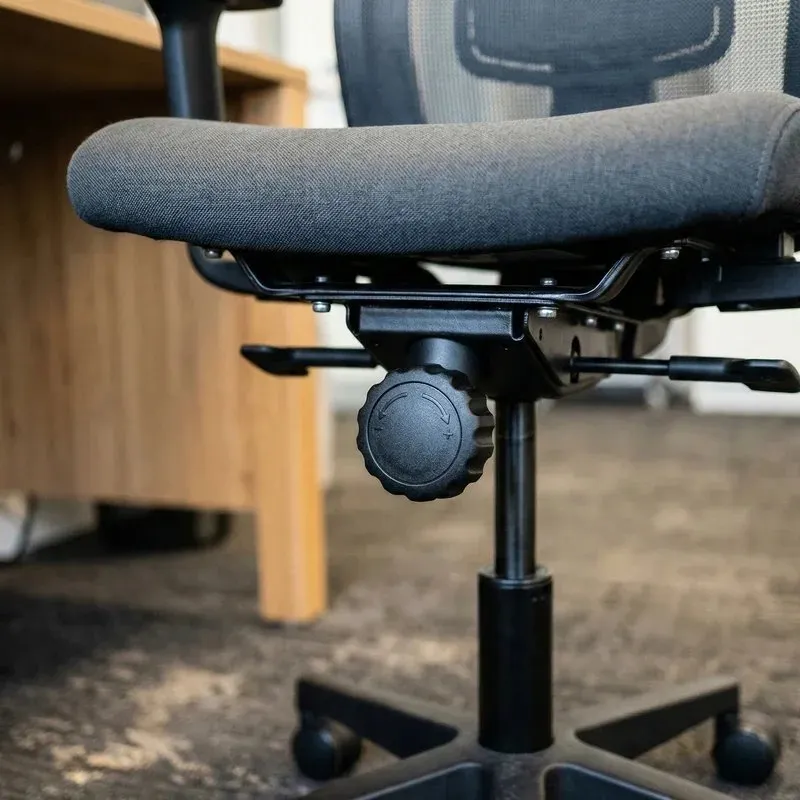
The large round knob under the seat that sets how hard you have to lean to rock back. It strips, seizes or falls off, and the chair either flops back or will not give at all. Replaced, along with the spring if it has gone too.
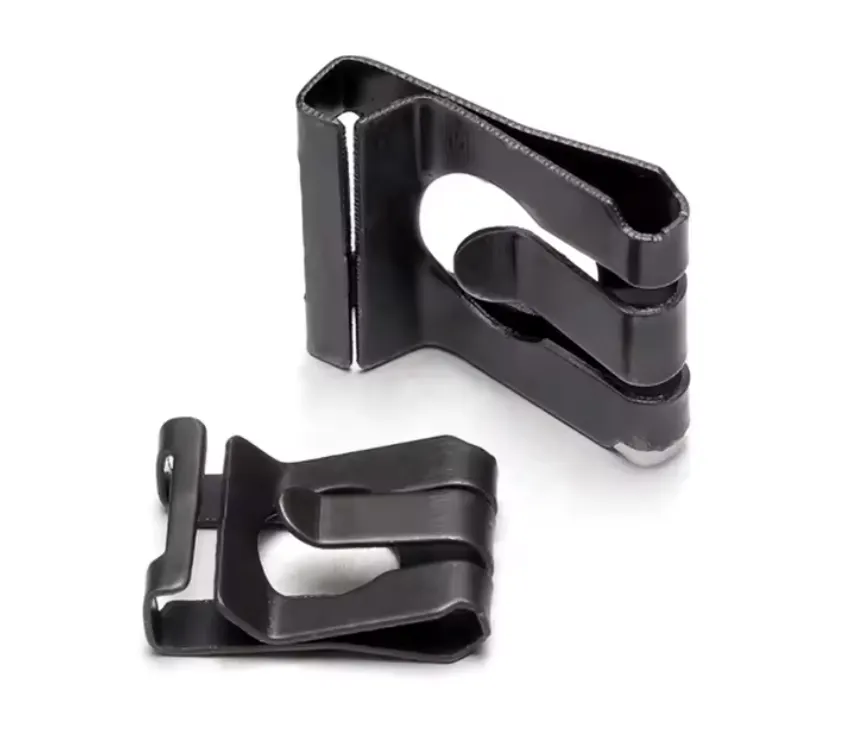
The small metal clip at the foot of the cylinder that keeps the piston inside it. If it works loose, the whole lift can drop out of the base. Refitted, or replaced when it has been lost.
The padded parts you sit on and lean against. Foam, mesh and covers wear out long before the frame does.
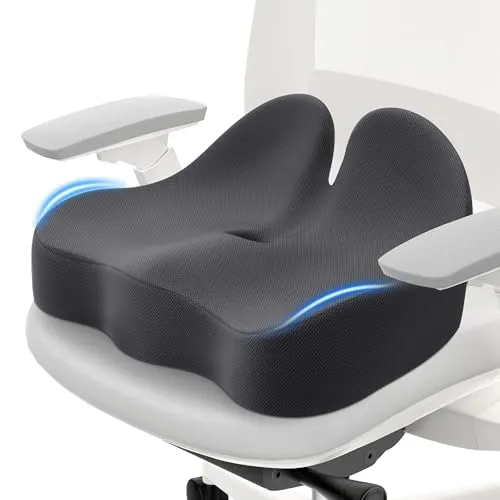
The padded board you sit on. Foam flattens, the board splits around the mechanism bolts, and covers crack where the weight sits. Re-foamed and re-covered in leather or fabric, or the board rebuilt in fresh hardwood when it will no longer hold a bolt.
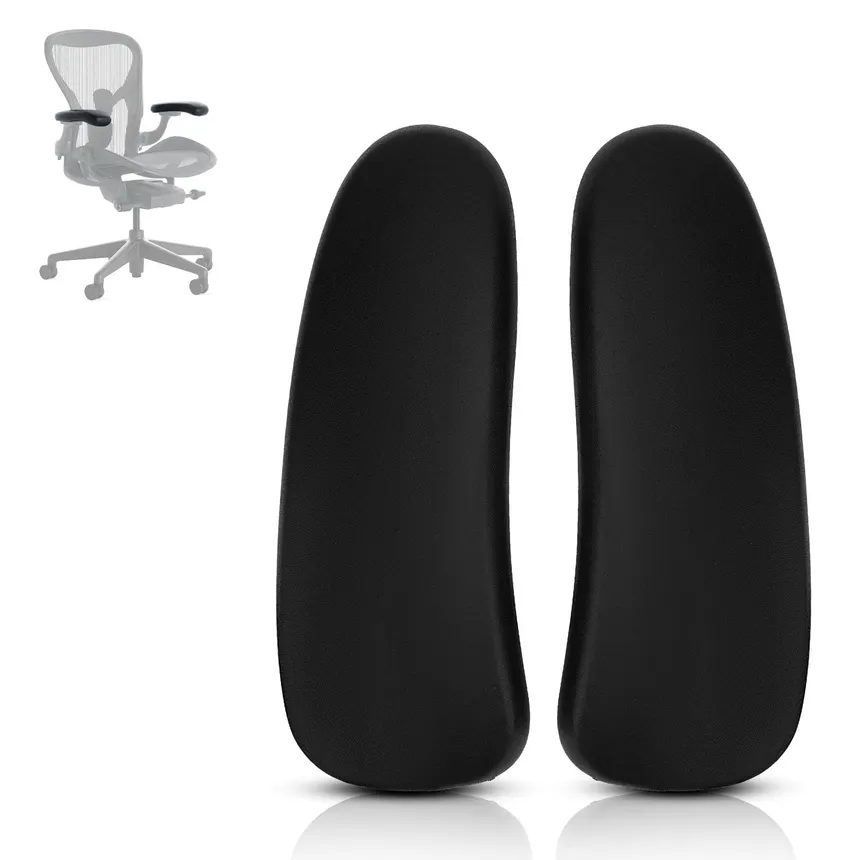
Two pieces: the soft pads on top, and the uprights that bolt them to the seat or mechanism. Pads split and peel; uprights crack at the bolt holes and start to wobble. We replace the pads alone when the uprights are sound, or the whole arm when they are not.
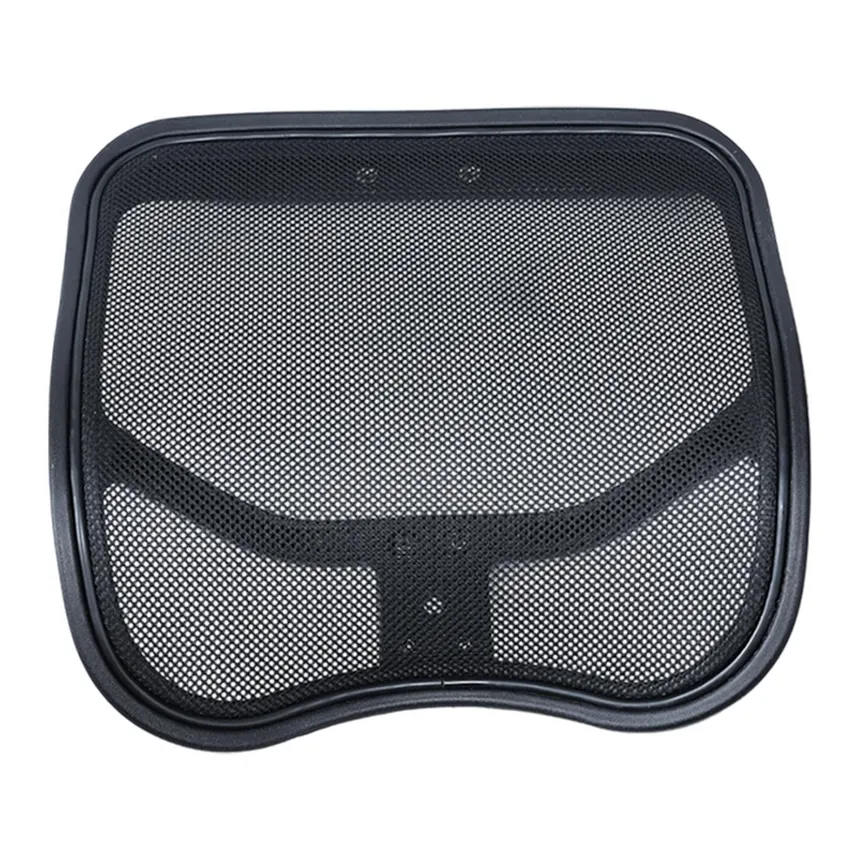
The upright section that holds your back. Mesh tears and sags, frames crack where they meet the seat, and covers perish. Re-meshed, re-covered, or replaced with a matching back.
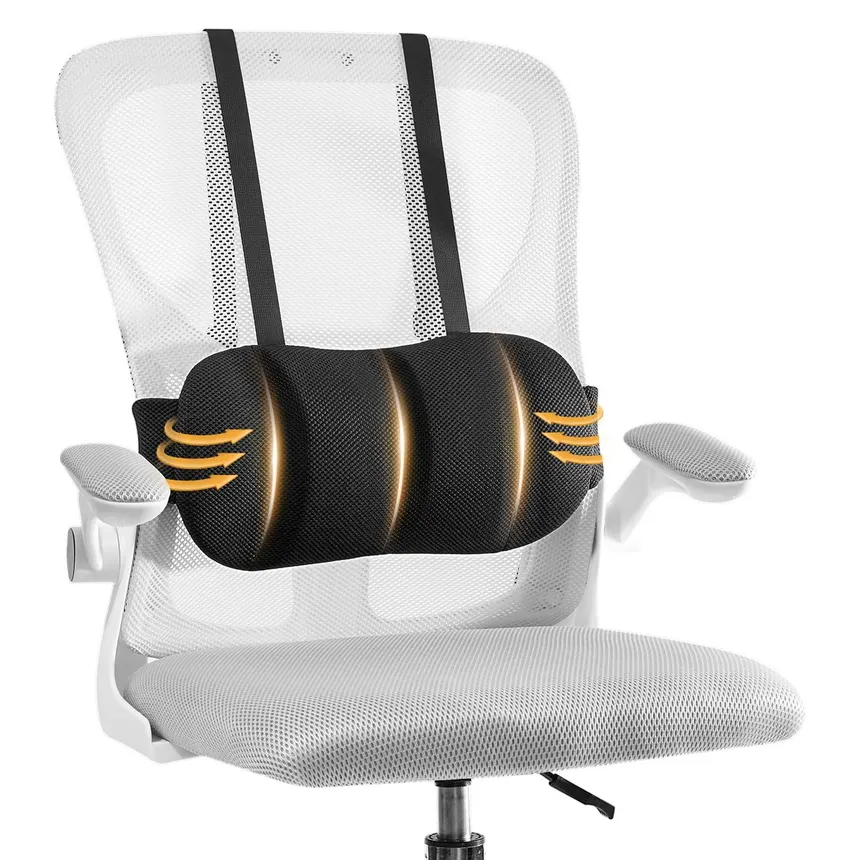
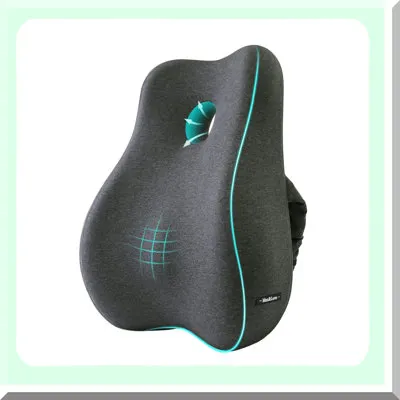
Either an adjustable pad built into the lower back, or a separate cushion strapped onto it. Adjusters strip and pads collapse. Replaced with a matching part, or an add-on support fitted to a chair that never had one.
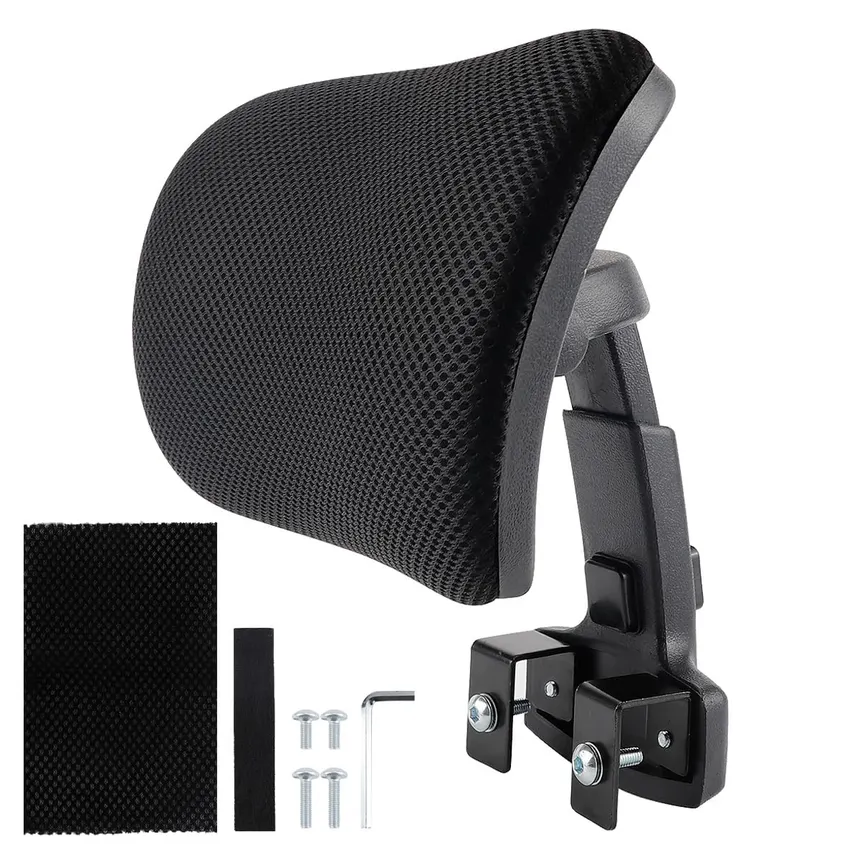
On high-back chairs the headrest is often a bolt-on unit. The bracket loosens or cracks, the pad tears, or the hinge stops holding its angle. Replaced with a modular headrest that fits the backrest.
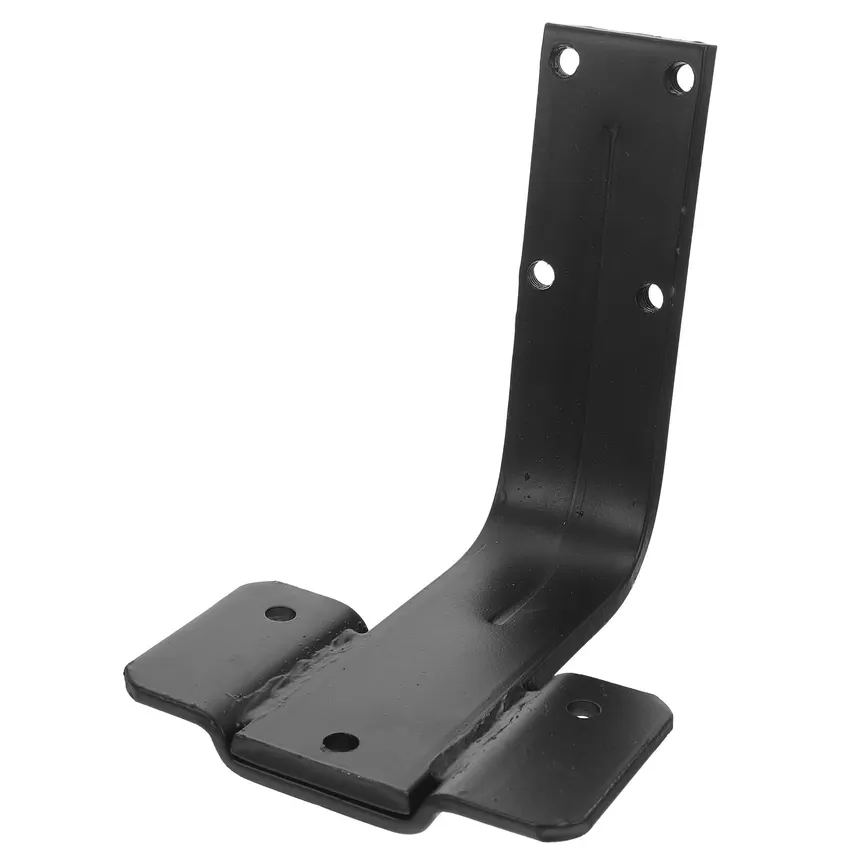
The heavy bent bar that joins the backrest to the mechanism under the seat, common on mid-back chairs. It bends or shears at the bolts and the back leans away from you. Replaced with a bar of the same profile.
Small, and the reason most chairs wobble.
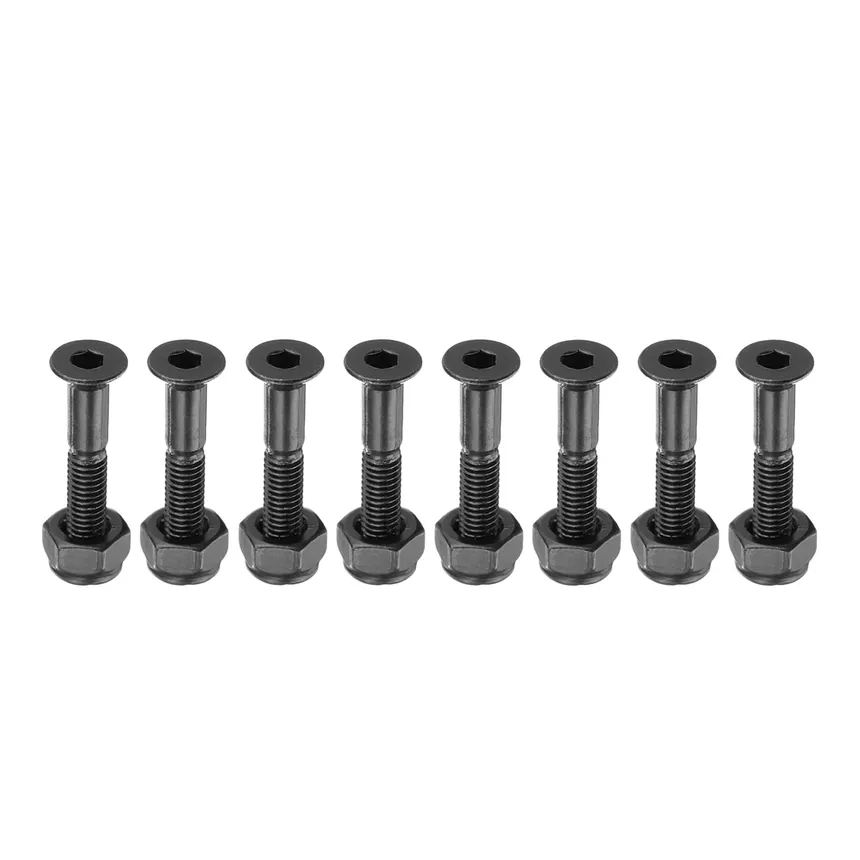
The threaded fasteners that hold the arms, back and mechanism to the seat. Stripped threads and missing bolts are behind most loose chairs. Replaced with the correct thread and length, not whatever is in the drawer.
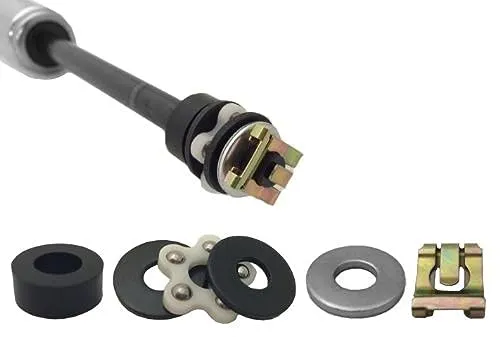
Flat and lock washers that sit under each bolt so it stays tight. Without them, bolts work loose again in weeks. Fitted with every mechanism, arm or back we mount.
WhatsApp a picture of the broken bit and one of the whole chair. I will name the part, tell you whether it can be swapped on site, and give you a price before anyone commits to anything.
Door-to-door service across Rawalpindi and Islamabad Also in Karachi, from DHA Phase 2.